A Korean meal has a quiet rhythm to it, and most of the “rules” are really just small signs of respect around sharing food and looking after the people at your table. Learn these ten and you’ll eat like you belong — and a few will genuinely surprise you. (They build on the broader Korean table tradition.)
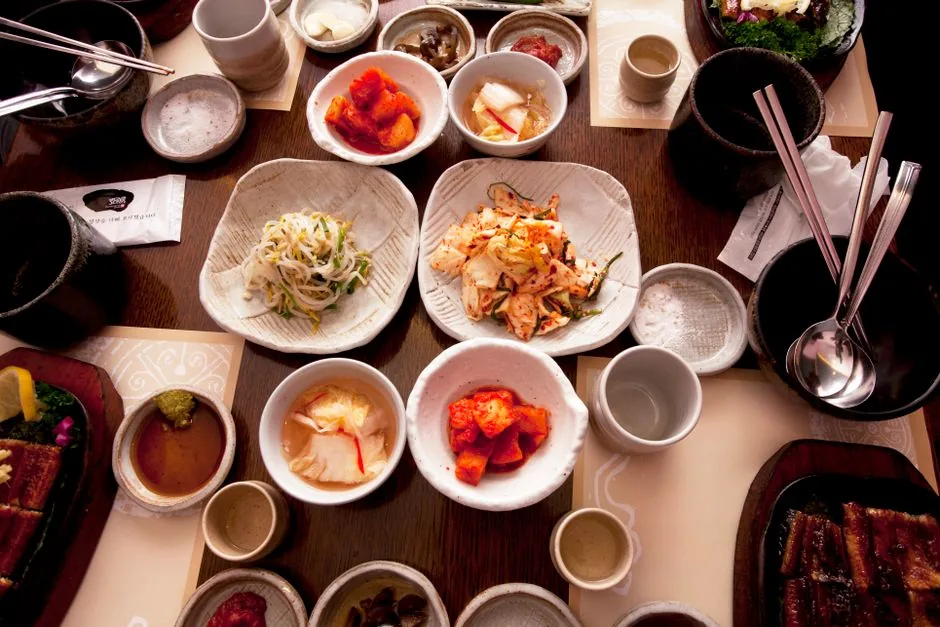
The ones about respect
1. Let the eldest start. Wait for the oldest person at the table to lift their spoon or chopsticks before you begin. It’s the single most-observed table custom in Korea.
2. Pour with two hands — and never your own drink. You pour for others, they pour for you. When pouring for someone older, use both hands (or steady your pouring arm with the other hand). When someone pours for you, hold your cup with two hands. Pouring your own glass is a small faux pas.
3. A little deference goes far. Offer the first cooked pieces at a BBQ, or the best of a shared dish, to older guests before serving yourself.
The ones about chopsticks and bowls
4. Don’t stand chopsticks upright in rice. Sticking them vertically into a bowl resembles incense at a funeral and reads as bad luck. Lay them flat on the table or a rest.
5. Don’t lift your rice bowl. This surprises people coming from Japan or China — in Korea, the rice and soup bowls usually stay on the table, and you eat from them with a spoon. Lifting the bowl to your mouth looks off here. It’s a small detail, but it’s the one rule most people get caught by precisely because their muscle memory says otherwise.
6. Use the spoon for rice and soup. Koreans use a long spoon for rice and stew, and chopsticks for side dishes. You won’t see people eating rice with chopsticks the way they might elsewhere.
The ones about sharing and manners
7. Shared dishes are normal — be tidy about it. Many dishes sit in the middle for everyone. Take from the communal plate to your own before eating, and avoid digging around with chopsticks you’ve had in your mouth.
8. Don’t blow your nose at the table. Even if the food is spicy and your nose is running, step away rather than blowing it there — it’s considered unclean.
9. Slurping is okay-ish. Quietly enjoying noodles or sipping soup straight from the spoon is fine; just keep it from being a spectacle.
10. You don’t have to clean your plate. Leaving a little food isn’t rude. And remember — no tipping on the way out; you pay at the counter.
The spirit behind it
If you forget half of these, you’ll be fine. The thread running through all of them is simple: pay attention to the people you’re eating with, especially anyone older, and treat shared food as shared. Do that and the specific rules mostly take care of themselves — and your Korean hosts will notice the care.
At a Korean BBQ or drinking table
Two settings have a few extra customs worth knowing, because they come up so often.
At a Korean BBQ, the youngest or most junior person often takes charge of grilling and serving — flipping the meat, cutting it with the scissors, and giving the first cooked pieces to the elders before themselves. If you’re a guest, offering to help or simply letting the older folks be served first reads as thoughtful.
At a drinking table, the soju customs surprise everyone. You never pour your own glass; you pour for others (two hands when it’s someone older) and wait for them to fill yours. When clinking glasses with an elder, hold yours slightly lower than theirs as a sign of respect. And the classic move: when you drink in front of someone significantly older, it’s polite to turn your head away from them and cover the glass a little. None of this is mandatory for a foreign guest, but doing even one of these will quietly impress your Korean companions.
If alcohol isn’t your thing, all the same pouring-and-respect customs apply to water, soda, or barley tea — it’s about the gesture, not the drink. Nobody will make you feel awkward for not drinking; pouring for others with two hands carries the same warmth regardless of what’s in the glass.
🙋 Speaking from experience
For me a lot of this is muscle memory — I grew up being nudged to wait until the eldest lifted their spoon, and to this day my hand pauses on its own at a table with older relatives. What I didn’t realize until I watched foreign friends at dinner is how invisible these habits are until someone points them out. A friend once dug in the second the food arrived, cheerfully oblivious, and no one scolded him — but you could feel the tiny beat of surprise. It’s never about catching you out; it’s that these small gestures are how Koreans quietly show they’re paying attention to each other. Copy the rhythm of the table and you’re already fluent in the part that matters.
FAQ
Can I lift my rice bowl while eating? Generally no — in Korea the rice and soup bowls stay on the table and you use a spoon, unlike in Japan or China.
Why shouldn’t chopsticks stand up in rice? Upright chopsticks resemble incense used at funerals, so it’s seen as bad luck. Rest them flat instead.
Who pours the drinks? You pour for others and they pour for you — not your own glass. Use two hands when pouring for, or receiving from, someone older.
Do I have to finish all my food? No. Leaving a little is perfectly acceptable, and there’s no tipping at the end.
This is part of the bigger picture in everyday etiquette in Korea; for ordering specifics, see how to order at a Korean restaurant.
About the author — Jae is a Seoul-based writer at K-Culture Log, helping newcomers get into Korean culture without the overwhelm.